
KNOW before you go: Sedona, AZ
a few things it helps to know in advance
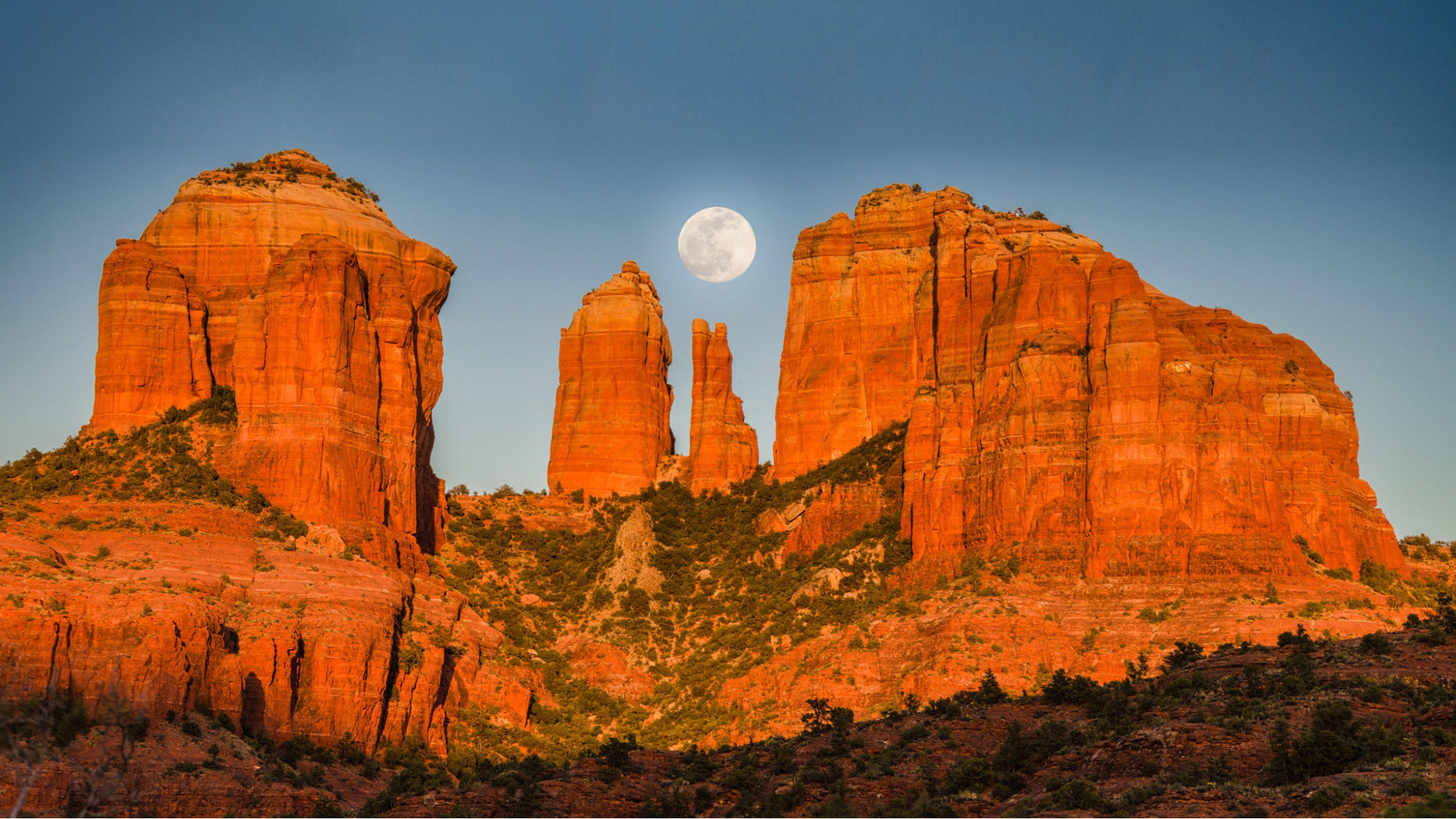
Sedona doesn’t arrive all at once. It rolls in slow, like heat off the rocks. First light hits those red sandstone fins and suddenly the whole place is on fire—quiet, steady, unreal. By afternoon, shadows stretch and shift across the canyon walls, playing their own long game. Then dusk comes in low and heavy, and everything—every ledge, every twisted juniper—starts to glow like it’s holding onto the last secret of the day.
There’s an ease to this place, sure—but don’t get it twisted. The land doesn’t bend for you. It’s raw, exposed, and honest in a way that demands you show up the same way. You feel it in the dry air, in the distance between shade, in the silence that isn’t really silent at all.
So before you step into that light, carry a few things with you. Not rules—nothing that stiff. Think of them more like quiet agreements. Water in your pack. Layers when the sun drops out faster than you expect. A little awareness of where you’re standing and what came before you.
Because Sedona isn’t just something you see—it’s something you move through. And if you meet it halfway, it gives you everything it’s got.
#5: Dress for Desert Weather — It Shifts Fast
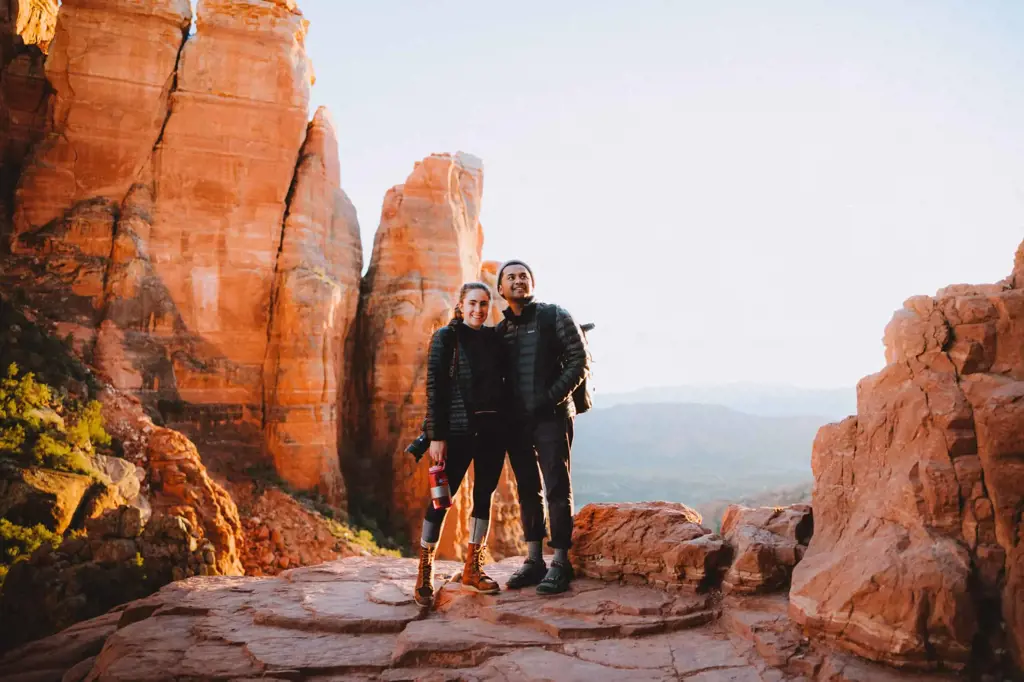
Sedona runs hot and cold without warning. By midday, the sun leans in hard—heat radiates off the rock, climbs up your spine, settles in your shoulders. Then the light slips, and just like that, the warmth pulls back. Evening doesn’t ease in here—it drops. What felt like summer a few hours ago turns cool, almost sharp, especially once the shadows take over.
That’s the rhythm—extremes, always shifting. Summer days can push you to the edge of your comfort zone, while nights settle into something calm and surprisingly crisp. Winter flips the script: clean, cold air, the occasional frost dusting the trails, silence that feels even deeper.
So you dress for the swing, not the moment. Layers aren’t optional out here—they’re survival with a bit of style. Something to breathe in when the sun’s high, something to hold onto when it disappears.
Unravel Tip
Lightweight long sleeves, a wide-brimmed hat—sounds simple, but it works. Keeps the sun off, cuts the wind, and disappears into your pack when you don’t need it. Out here, small choices carry weight.
#4: Early Light Is Quiet Power
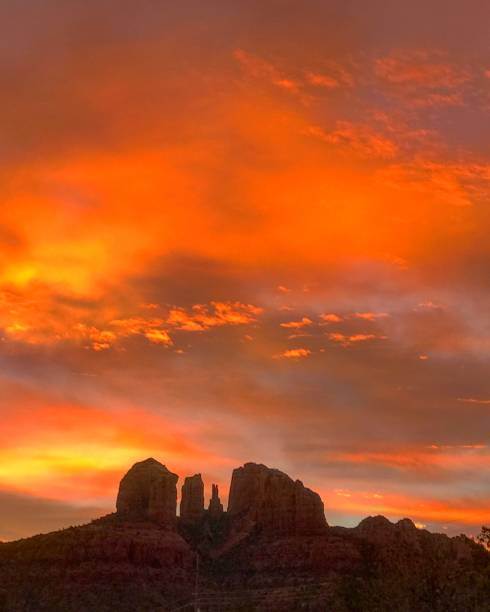
Sedona before sunrise feels like a held breath. The roads are empty, the trails barely touched, and the red rock sits in that in-between state—neither asleep nor awake. Then the light starts to move. Not loud, not dramatic at first. Just a slow wash of color creeping across the canyon walls, softening edges, turning stone into something almost alive.
Give it an hour, and the spell breaks. Footsteps echo. Voices carry. The heat starts its climb. But right there, in that early window, you get something different—space, silence, a version of Sedona that doesn’t need to perform.
It’s not just about better light for photos. It’s cooler, sure—but more than that, it’s clarity. You hear your boots on the dirt. You notice the wind moving through juniper. The place feels bigger, deeper, like it’s letting you in on something most people rush past.
UNRAVEL Tip
Get to the trailhead 30–45 minutes before sunrise. Not just to catch the colors—but to catch the shift. That moment when the land wakes up and you’re already there to meet it.
promote your business or your town here - don’t be shy
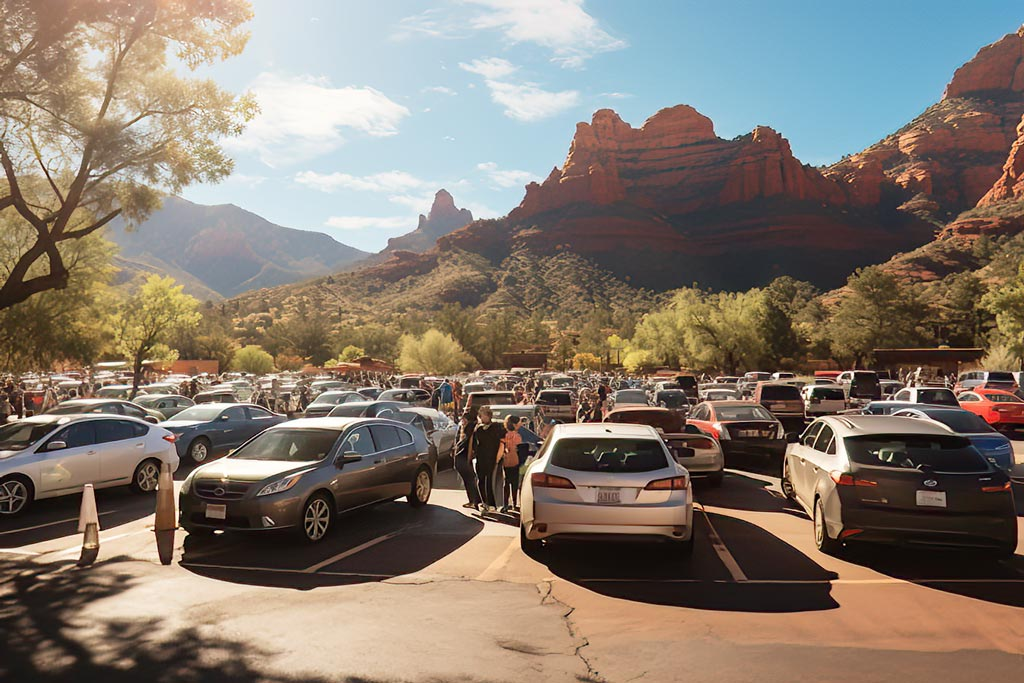
#3: Roads & Parking Demand Patience
Sedona doesn’t hide its beauty—it puts it right on the main roads. State Route 89A and State Route 179 cut straight through the red rock spine, twisting past viewpoints and trailheads like they’ve got nowhere else to be. And neither does anyone else. By mid-morning, the flow thickens—cars slow, turn signals blink, and every pull-off starts to feel like a small negotiation.
Then you hit the big names—Cathedral Rock, Devil’s Bridge—and it’s a different kind of patience. Lots fill early. People circle. Engines idle under that wide desert sun while everyone waits for a spot that may or may not open.
You can fight it, or you can move with it. Show up early if you’re chasing sunrise, or slide in later—midday lulls and post-4 PM windows tend to loosen the grip. Or better yet, step out of the loop entirely.
UNRAVEL Tip
Even if you’ve got your own wheels, take the shuttle to major trailheads. Skip the slow orbit of packed parking lots and spend that energy where it matters—out on the trail, with the rock rising up around you.
#2: Trail Culture — Leave Only Footsteps
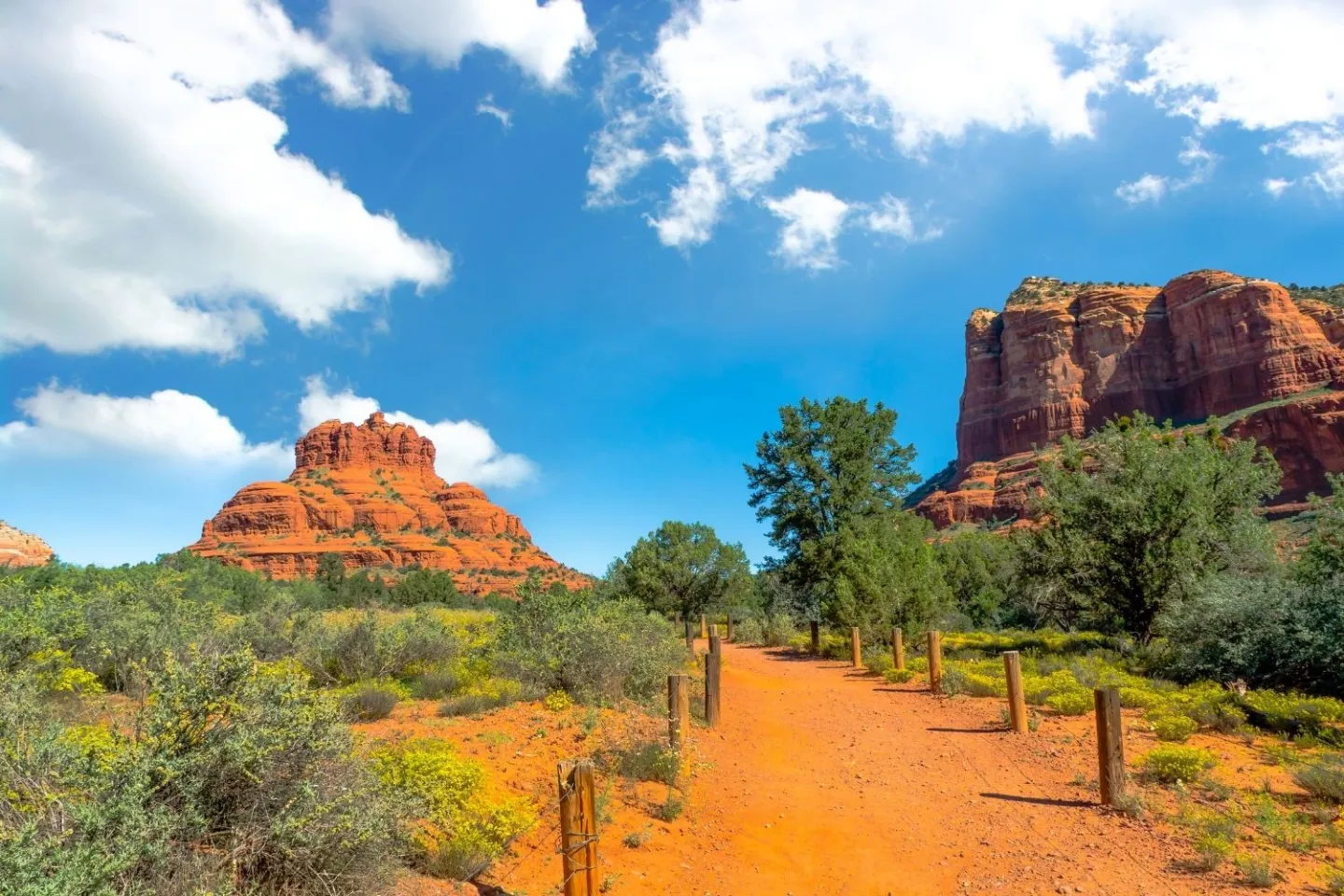
Sedona might look wide open—miles of red rock, sky that doesn’t quit—but don’t let that fool you. This place is tougher than it looks, and more fragile than you’d expect. The trails aren’t just suggestions; they’re lines drawn with intention. Step off them, and the land feels it. Immediately.
You’ll see cairns stacked like quiet signals, worn paths etched into the earth by years of passing boots. They’re not decoration—they’re guidance, protection, a kind of handshake between you and the terrain. Move with them, not against them.
Because out here, erosion isn’t some slow, distant process. It’s quick. One shortcut becomes ten. One detour turns into a scar that doesn’t heal easy under desert conditions. And suddenly, that untouched stretch of ground starts to unravel.
So you keep it simple. Stay on the path. Let the land hold its shape.
UNRAVEL Tip
If the trail starts to feel crowded or beat down, don’t push through it—shift your angle. There’s always another route, another ridge, another stretch of quiet just out of sight. In Sedona, solitude is rarely far—you just have to step a little smarter to find it.

#1: Plan for Heat & Hydration
The desert doesn’t always announce itself. No heavy humidity, no sweat-soaked shirt clinging to your back. Just dry air, quiet and constant, pulling water out of you one breath at a time. You don’t notice it—until you do. And by then, it’s already taken more than you think.
Heat here isn’t just a summer story. Sure, July burns—but even in winter, the sun shows up sharp and steady, bouncing off sandstone, working on you from every angle. It’s deceptive. Feels manageable—right up until your energy dips, your head clouds, your pace starts to drag.
So you stay ahead of it. Drink before you’re thirsty. Stop before you’re spent. Let the rhythm slow down instead of forcing your way through it. Sedona isn’t built for rushing—it opens up when you take your time, when you pay attention.
Because the people who get the most out of this place aren’t the ones chasing miles—they’re the ones noticing everything along the way.
UNRAVEL Tip
Bring at least a liter of water for every hour you plan to hike. And don’t treat refilling like a chore—make it part of the ritual. Out here, staying hydrated isn’t a backup plan. It’s how you keep moving.
UNRAVEL this: hotels, lodges, & Rentals »
You should stay a while..